For decades, purchasing insurance felt less like a strategic financial decision and more like a leap of faith. Consumers were presented with static, one-size-fits-all policies, opaque pricing models, and a nagging suspicion that they were either overpaying or underprotected. The industry operated on broad actuarial tables, where your fate was sealed by your zip code and birth year. But a profound shift has occurred. Today, in 2026, the power dynamic has flipped. We are no longer passive buyers; we are active participants in a data-driven marketplace. The catalyst? The sophisticated, democratized application of analytics, transforming insurance from a necessary expense into a tool for intelligent capital allocation and personalized financial security.

The New Actuary: You, Powered by Data
The core of this revolution is the transition from reactive protection to proactive risk management. Modern insurance platforms and independent insurance analytics consultants now provide consumers with tools once reserved for corporate risk officers. By aggregating and analyzing data from connected devices, public records, and user-inputted lifestyle details, these platforms generate a hyper-personalized risk profile. This isn’t about surveillance; it’s about empowerment. For instance, a bespoke home insurance policy can now be dynamically priced based on real-time data from smart home sensors that detect water leaks, fire hazards, or security breaches, rewarding mitigation with immediate premium adjustments.
Case in Point: The Telematics Transformation
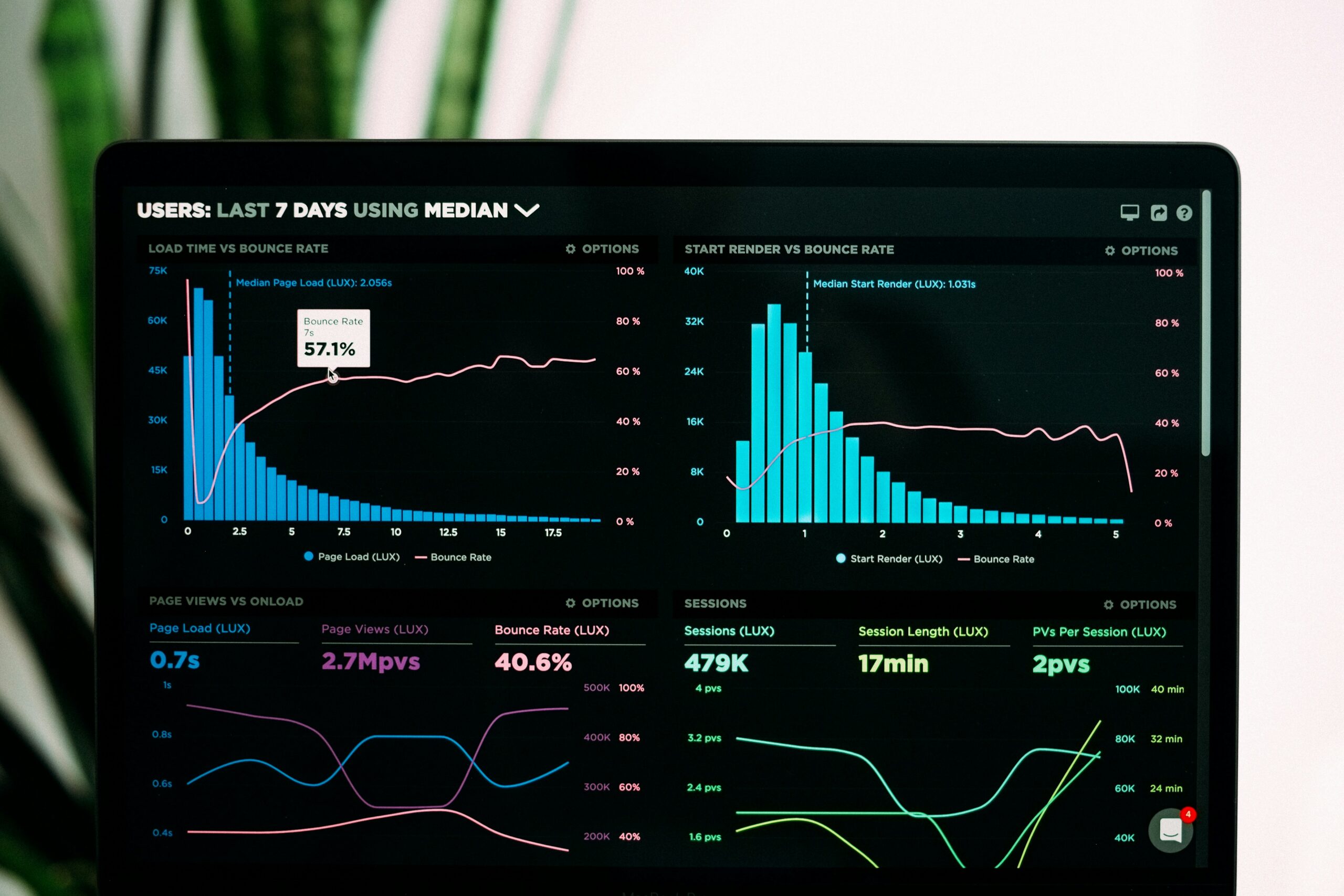
Nowhere is this shift more evident than in auto insurance. The primitive “usage-based insurance” dongles of the early 2020s have evolved into seamless, integrated systems. In 2026, your vehicle’s native telematics or a sophisticated app doesn’t just track mileage—it analyzes driving behavior with granular precision: smoothness of acceleration and braking, adherence to speed limits, and even time of day and route safety. Top-tier telematics-based auto insurers now offer monthly statements that look like financial dashboards, showing exactly how behavioral choices translated into savings or costs. The result is a direct financial feedback loop, turning safe driving into a tangible, monthly return.
Beyond Premiums: Analytics for Claims Optimization and Portfolio Audits
The application of analytics extends far beyond shopping for lower rates. Its true value is unlocked in optimizing the entire insurance lifecycle, particularly during a claim and during annual portfolio reviews.
Navigating the Claims Labyrinth with Data
Filing a claim has historically been the most stressful aspect of insurance. Today, predictive analytics and AI-assisted document processing are streamlining the process. More importantly, for high-value policies, services like claims advocacy firms and independent claims adjuster services use data to ensure fair settlements. They benchmark repair costs in your metropolitan area, analyze policy language with natural language processing to identify covered items an insurer may overlook, and provide a data-backed counterpoint to lowball offers. This turns a traditionally adversarial process into a fact-based negotiation.
The Annual Insurance Portfolio Audit: A Non-Negotiable
The most significant financial mistake a consumer or small business owner can make is a “set-it-and-forget-it” approach to insurance. In 2026, conducting an annual comprehensive insurance portfolio review is as essential as a tax preparation. This isn’t just about price comparison. It involves a holistic analysis: Has the replacement cost of your home kept pace with construction inflation? Does your high-net-worth personal liability coverage align with your current assets and exposure? Have new cyber risks emerged for your home-based business that your old policy excludes? Specialized insurance advisory services now offer these audits, using software that cross-references your policies with evolving risk databases to identify dangerous gaps or wasteful overlaps.
The 2026 Insurance Toolkit: Practical Steps for Leveraging Analytics
How does the modern, savvy individual operationalize this? It requires a shift from passive payer to active manager.
- Embrace Permission-Based Data Sharing: Opt-in to programs that use IoT data from your home, car, or health devices. The financial benefits for demonstrating low-risk behavior now significantly outweigh the privacy trade-offs for most, with discounts that can reach 25-40%.
- Utilize AI-Powered Policy Aggregators: Move beyond simple comparison websites. Seek out platforms that use machine learning to perform a deep-dive policy coverage analysis, explaining in plain language the critical differences between a “named perils” and an “open perils” home policy, for example.
- Curate Your Digital Footprint for Underwriters: Increasingly, insurers underwrite small commercial or professional liability policies by analyzing a business’s online reputation, financial health indicators from services like Dun & Bradstreet, and even the cybersecurity posture of its website. Managing your public data is now part of risk management.
- Invest in Prevention-as-a-Service: The most forward-thinking insurers and third-party services now bundle prevention with protection. This might include a subscription to a professional home cybersecurity audit with a cyber insurance policy or a complimentary annual plumbing inspection with a high-value water damage policy. Preventing a claim is the ultimate win-win.
The Ethical Frontier: Data, Bias, and the Human Element
This data-driven paradise is not without its perils. The industry grapples with algorithmic bias, where historical data can perpetuate inequalities. Regulatory bodies in 2026 are intensely focused on ensuring that predictive models are transparent and fair. Furthermore, the “human firewall” remains critical. While analytics can identify that you need a specialized fine art and collectibles insurance rider, it takes a knowledgeable agent or broker to properly schedule and appraise the collection. The future belongs to a hybrid model: data-informed professionals providing contextual, empathetic advice.
Conclusion: Insurance as a Strategic Asset
- Demystifying InsurTech: How Digital Platforms Are Revolutionizing Policy Management in 2026 – 15/04/2026
- From Reactive Payouts to Proactive Partners: How IoT Data is Reshaping Commercial Insurance in 2026 – 15/04/2026
- The Future of Wealth Management: Tech Tools for Financial Wellness in 2026 – 15/04/2026
Leave a Reply